
Slipper
Indoor footwear with ancient origins and cultural significance.

Wikipedia / Wikimedia Commons
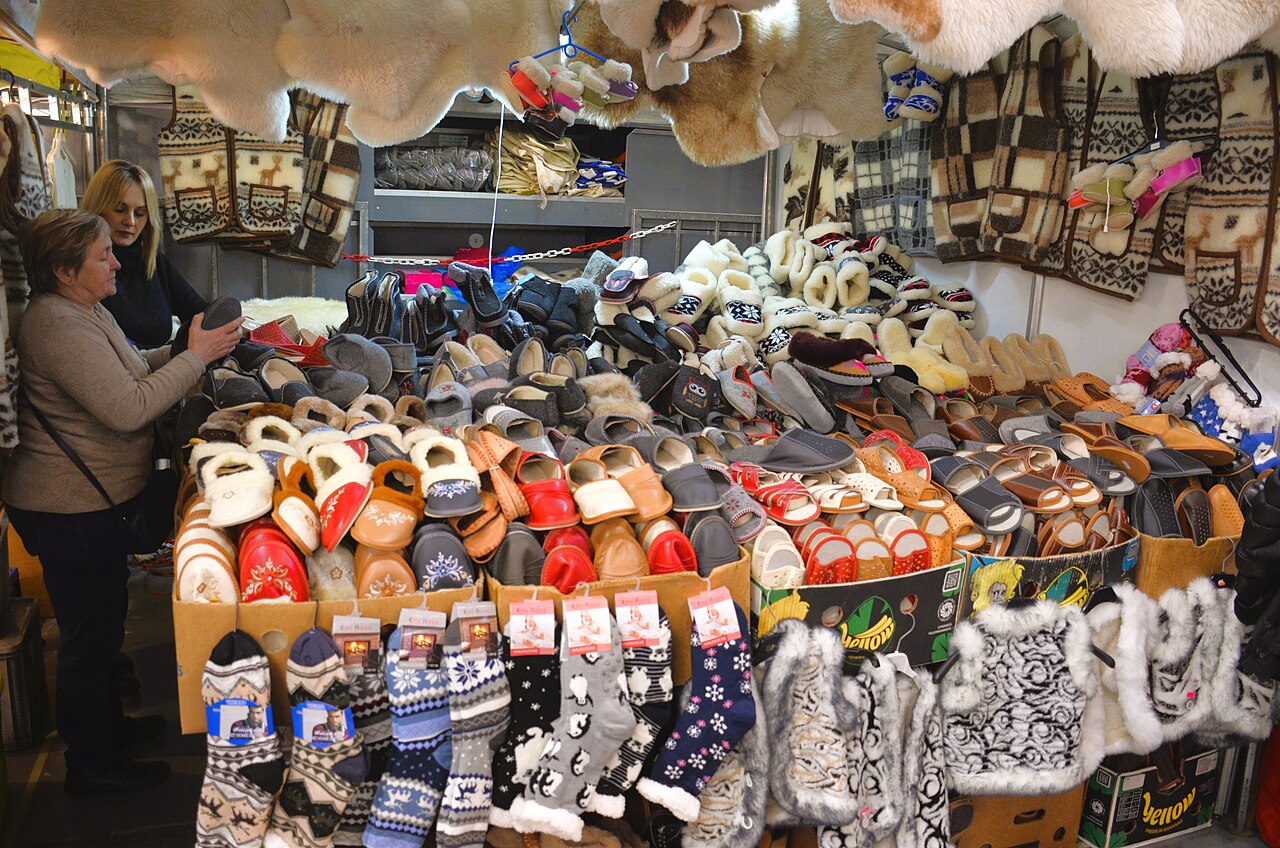
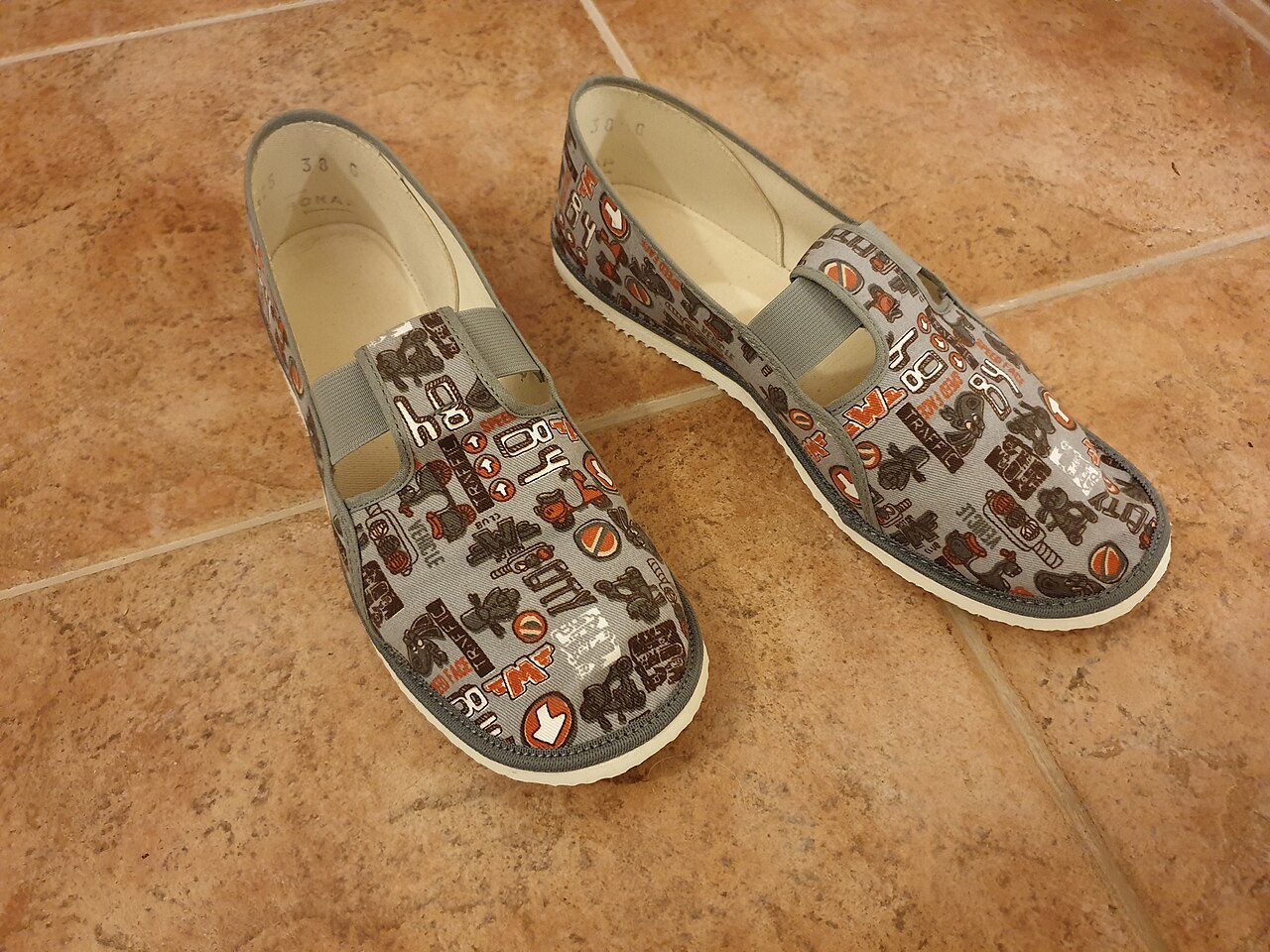
Slippers are a type of light footwear designed for easy wear and removal, intended primarily for indoor use, especially at home. They provide comfort and foot protection when walking indoors, with a recorded history dating back to antiquity.
- earliest known use in English
- c. 1478 as 'sclyppers'
- earliest known slippers in China
- 4700 BC
- materials used in ancient China
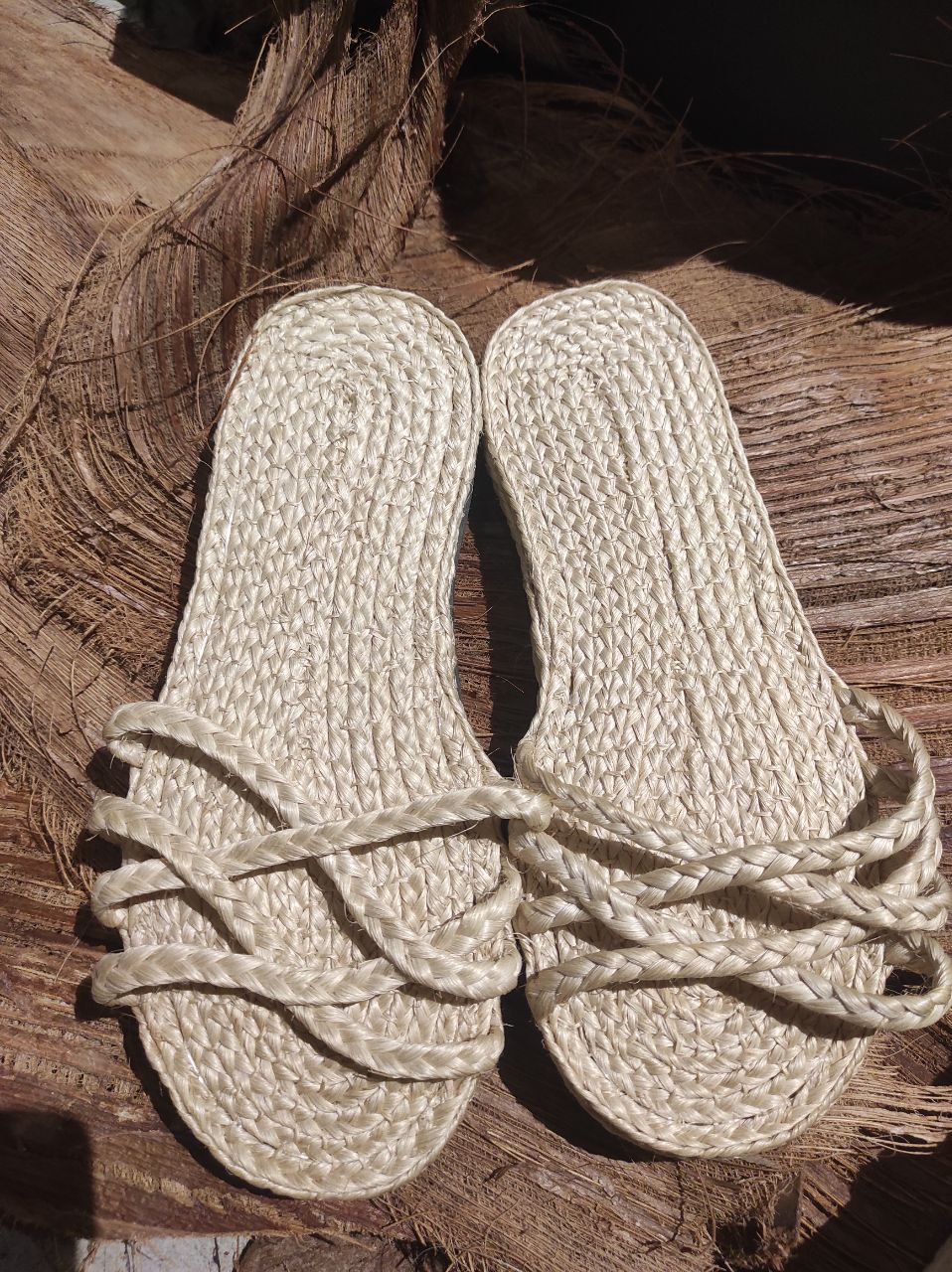
- cotton or woven rush with leather linings
- related historical terms
- pantofles, slip-shoes
- notable fictional slippers
- Cinderella's glass slippers (1697)
- record auction price for ruby slippers
- $666,000 (May 24, 2000)
Lore & Background
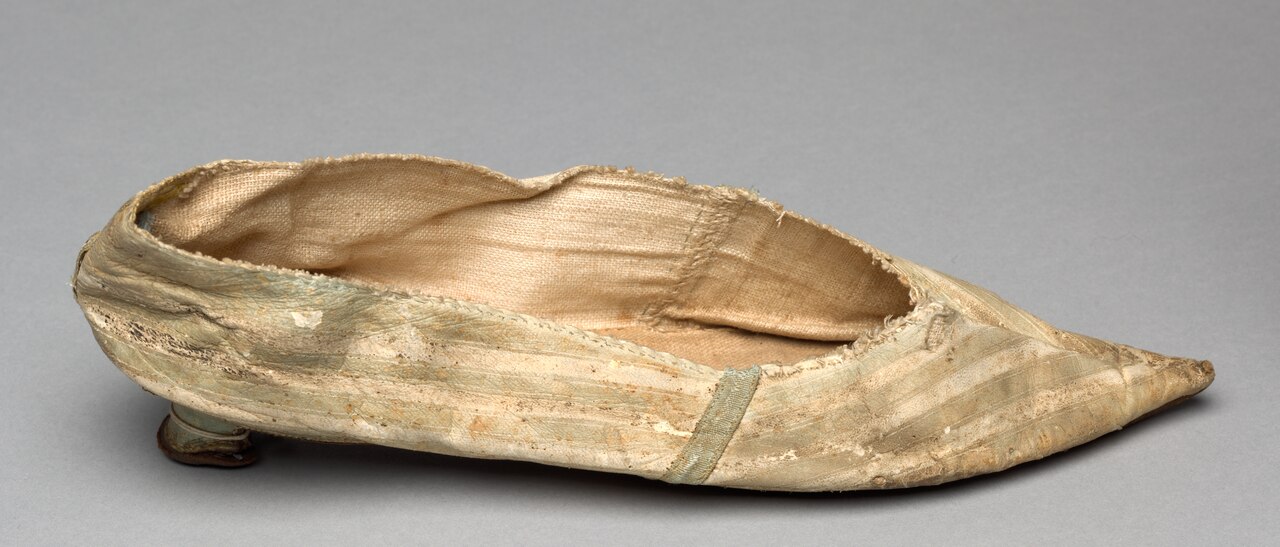
The recorded history of slippers goes back to antiquity. In English, the word 'slipper' dates from at least c. 1478 as 'sclyppers'. English-speakers formerly also used the related terms 'pantofles' (from French 'pantoufle') or 'slip-shoes'. Slippers in China date from 4700 BC, made of cotton or woven rush with leather linings, and featured symbols of power such as dragons. Native Americans wore highly decorative moccasins depicting nature scenes with beadwork and fringing, whose soft sure-footedness made them suitable for indoor use. Inuit and Aleut people made shoes from smoked hare-hide to protect feet against frozen ground inside their homes. Fashionable Orientalism introduced designs like the baboosh to the West. Victorians used slippers to keep dust and gravel outside, and Victorian ladies displayed needlepoint skills and embroidery on them.
Reader's Guide
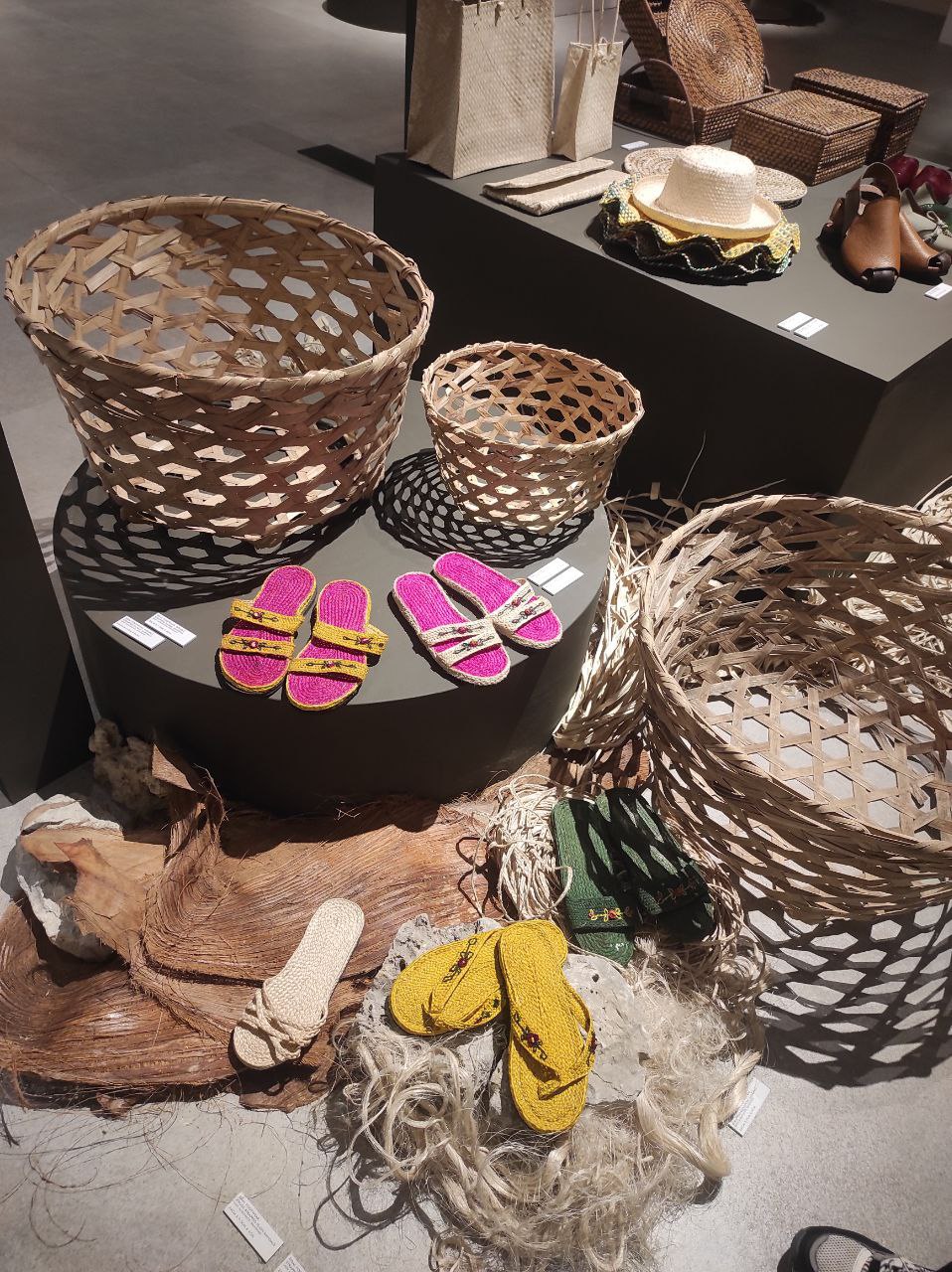
Slippers represent a longstanding category of indoor footwear that balances comfort, protection, and cultural expression. Their history spans from ancient China (4700 BC) to modern novelty designs. Types include open-heel slippers, closed slippers, slipper boots, sandal slippers, and evening slippers like the 'Prince Albert' slipper. In popular culture, Cinderella's glass slippers (from Charles Perrault's 1697 version) and Judy Garland's ruby slippers from The Wizard of Oz (which sold for $666,000 in 2000) highlight their iconic status. Regional terms vary: 'slippers' or 'slippahs' in Hawaii and the Caribbean refer to flip-flops, while 'house shoes' is common in the American South. Not all soft, fluffy shoes are slippers—those with rubber soles and laces are outdoor shoes. The article notes a historical debate about Cinderella's slippers being fur rather than glass, but this interpretation has been discredited by folklorists.
Did You Know?
- The word 'slipper' dates from at least c. 1478 as 'sclyppers'.
- Slippers in China date from 4700 BC and were made of cotton or woven rush with leather linings.
- A pair of ruby slippers from The Wizard of Oz sold at auction for $666,000 in May 2000.
- In Hawaii and many Caribbean islands, 'slippers' refers to flip-flops.
Gallery
Frequently Asked Questions
What exactly are slippers and what are they for?
Slippers are lightweight indoor footwear designed to be put on and removed with minimal effort. They serve primarily as a comfort layer and basic foot protection for walking around the house.
How far back does the history of slippers go?
The oldest known slippers were found in China and date to roughly 4700 BC. In English, the term first showed up around 1478 under the spelling 'sclyppers.'
What materials were ancient slippers made from?
Early Chinese slippers were constructed from cotton or woven rush, with leather used as an inner lining for added comfort and durability.
What is the most famous fictional pair of slippers in popular culture?
Cinderella's glass slippers, originating from the 1697 fairy tale, remain the most iconic fictional footwear in Western storytelling. They have become a lasting cultural symbol tied to that narrative.
What is the record auction price ever paid for a pair of slippers?
A pair of ruby slippers fetched $666,000 at auction on May 24, 2000. That sale set the benchmark for the highest price ever realized for slippers at auction.
More in Clothing And Accessories 1-19
Spotted an error? Know more?
This is a living reference — every entry is fact-audited, and reader corrections feed straight into our audit queue. Suggest an edit · See this site's audit record